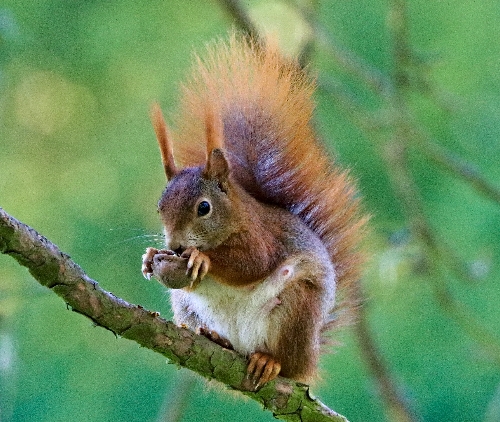
The most recent State of Nature report tells us that UK wildlife has declined by 19% since 1970, when records began. The reason for this is that the most important natural habitats are in poor condition.
The State of Nature report is the most comprehensive survey covering the UK, its Crown Dependencies and Overseas Territories. It’s compiled by a number of conservation organisations, including the National Trust. The latest report has found that nearly one in six of the 10,000-plus species surveyed risk being lost from Great Britain.
The report headlines “The most at-risk groups included birds (down by 43%), amphibians and reptiles (declined by 31%), fungi and lichen (down by 28%) and land mammals. Turtle doves, water voles, lady’s slipper orchids and European eels are among the species affected. More than half of plant species have also declined, as have 59 per cent of mosses and liverworts (bryophytes). Pollinators such as bees and butterflies are among the worst-hit groups, falling by 18 per cent on average”.
The report goes on to say “Habitats for wildlife were also found to be faring badly, with only one in seven of those assessed for the report in a good condition. This included only a quarter of peatlands and seven per cent of woodlands found to be in a good condition. None of the sea floor around the UK was in a good state because of damage caused by discarded fishing gear“.

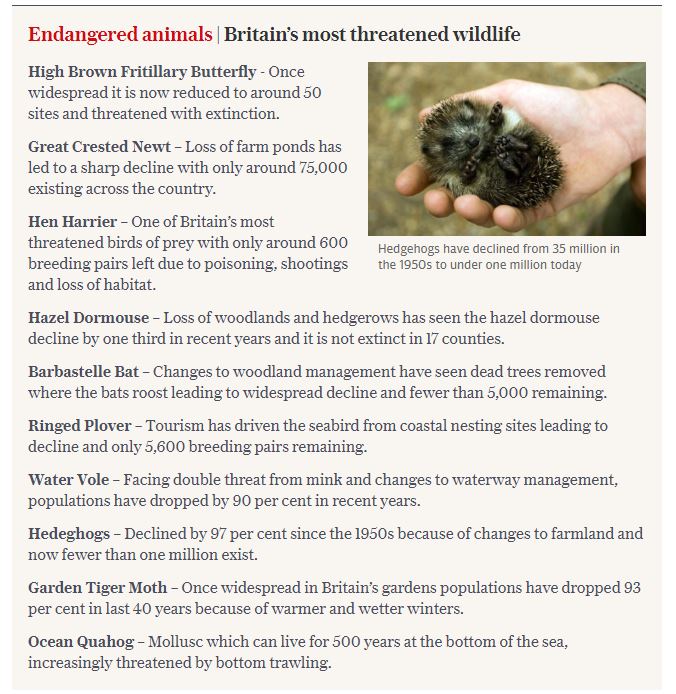
The report lists the following animals as being at most risk of disappearing:
Cumbria in Bloom has long recognised this collapse in biodiversity and for a number of years has offered an award for the best annual contribution to combating this problem.
Biodiversity, ecosystems and habitats are all affected in a good way or bad way by how we use our space. Cumbria in Bloom marks will assess how well biodiversity is helped through the activity of those taking part in Pride in Your Community, School Gardening, Tourism, It’s Your Neighbourhood and other special activities.
Judging and assessment will look for creation of biodiversity, building ecosystems, and protection of habitat and species.
- Cumbria in Bloom was formed in 1983
- Cumbria in Bloom was granted charitable status on 5 February 2007 (Registered No 1117828)
- The main purpose of Cumbria in Blooms is to engage with groups in Cumbria, encouraging participation in a range of competitions that promote improvement of horticulture, floriculture and environmental issues in our region.
- This year Cumbria in Bloom is focusing particularly on sustainability, water management and biodiversity.
- Cumbria in Bloom, one of 18 RHS regions, follows the RHS Britain in Bloom’s campaign guidelines.
The 2023 State of Nature Report is available to view or download here