It has been suggested that Cumbria in Bloom campaigns for more natural open space to be managed in order to avoid abuse and an unloved appearance. There is a need to highlight the importance of variety in the habitat to allow all creatures/plants to flourish and for biodiversity to increase in area and value. Starting with air, light, water and green plants, the cycle of nature has to be maintained if humans are to survive.
Cumbria in Bloom should be leading the campaign to ensure the message is understood in our local communities.
Below is an article written by Alan Heath to help clarify the Cumbria in Bloom Small Woodland Copse Award. I am sure that this will be of great interest.

For a couple of years, Cumbria in Bloom has been inviting our groups around the county to enter their local woodland copses in our annual assessments. All of our award categories offer the chance to enter. We have asked our Vice President, Alan Heath, to try and answer the question What is a Woodland Copse?
Alan’s definition is: A group of mixed trees and shrubs – not so dense that woodland plants and moorland would grow in association with it. A place to sit and observe or chill out. Paths in keeping with the site, clean and respected. Notification leaflet and, if required, a notification board. If created correctly the copse should look attractive and be as natural as possible given the surrounding constraints. Have as wide a variety of trees shrubs and plants as possible. Aim for native species planting.
One of the objectives is to create habitats that will enhance the chances of biodiversity. A town or village can have as many copse sites as it wishes. More will help to fill the habitats reduction arising from farming, pest and weed control. A copse is ideal for a school group to adopt and use as an outdoor classroom. A copse can provide winter protection for wildlife. Feeding can be carried out with knowledge of requirements, as well as appropriate autumn and winter tidy-ups. Records of what is seen in a copse, shared with other groups and schools are a valuable resource.
The plant species found in a typical woodland copse might include:
Birch, cherry, oak, beech, holly, ivy, elderberry, viburnum, St John’s wort, dog rose. Also potentially, heather, bilberry, foxglove, bluebell, wood anemone, ferns, snowdrops, crocus, primrose, cowslips. Lots of native species will appear and some may need to.be kept under control in the autumn maintenance. A group will have its own ideas as to which species to choose.
A good example of a well-managed, albeit private, woodland copse, is Sam’s Wood in Wreay.
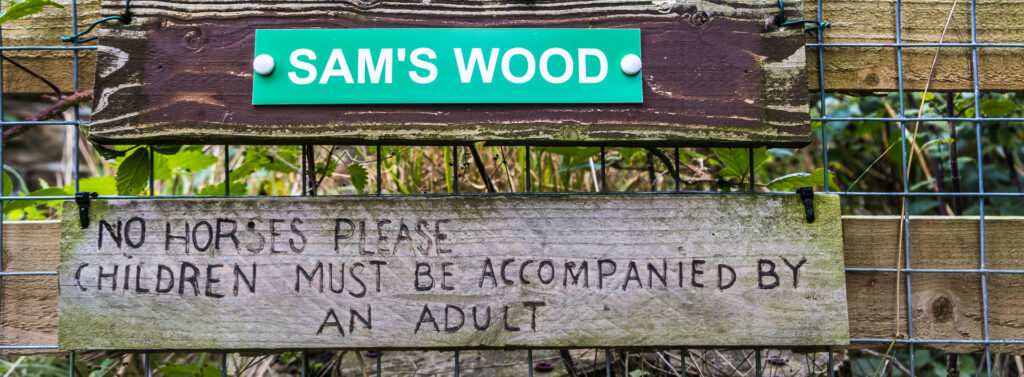


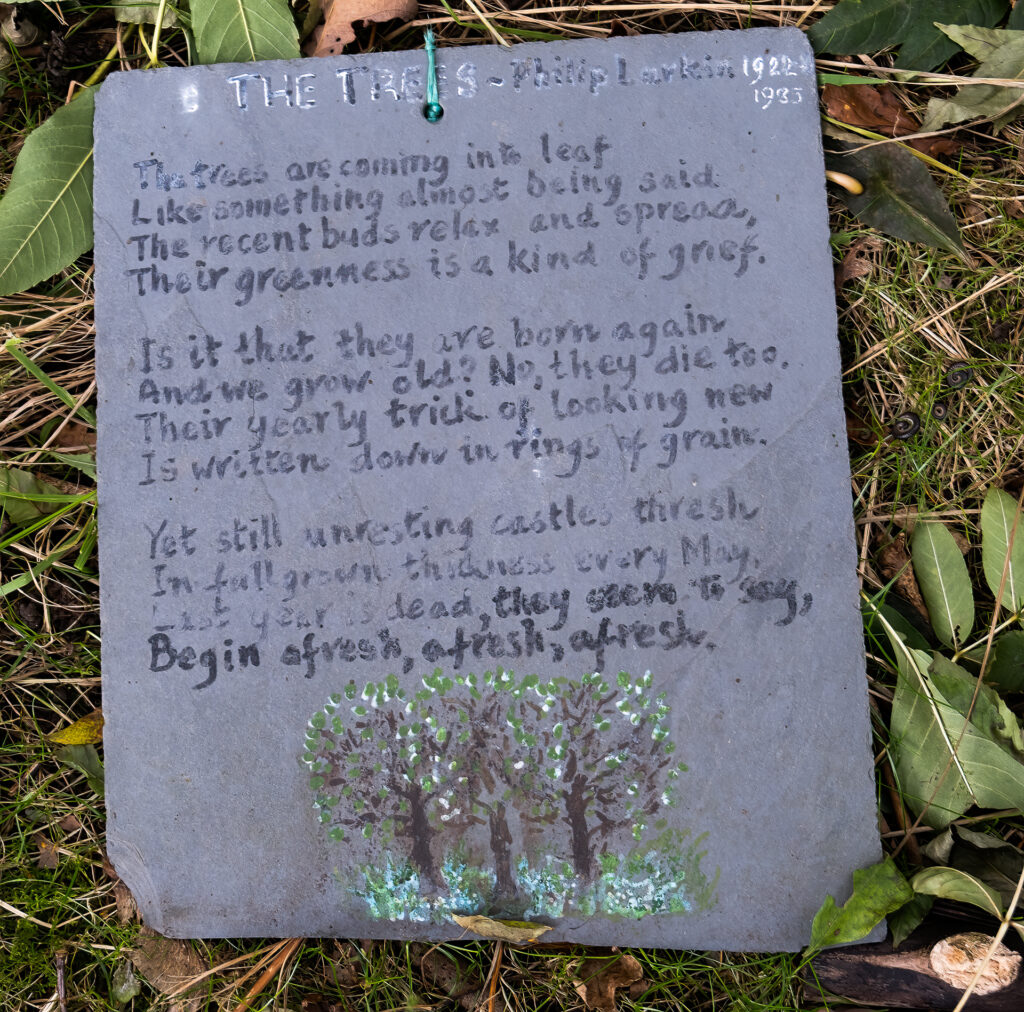
All the Sam’s Wood pictures by Ronnie Auld


The above pictures, by Ronnie Auld, are taken in another private woodland copse in Unthank
To help, a recommended wildlife garden book: Wildlife Gardening by Christine and Michael Lavell
Alan Heath – Cumbria in Bloom Vice-President